永續发展
循環經濟
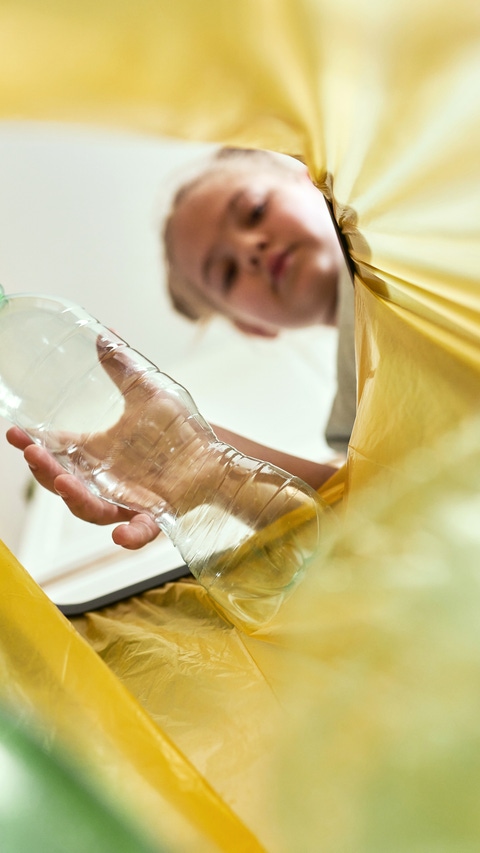
在我們的開發、創新與生產工作中,另一項關鍵貢獻在於以循環經濟思維進行思考:重複使用、回收再利用等。氣候變遷、生物多樣性喪失與環境污染,正對人類生存構成重大威脅。當前對自然資源的過度開發,正是這些問題的主要成因之一。
我們正日益將行動與循環經濟原則相契合。在生產過程中,我們持續增加使用回收及廢棄物原料,回收營運材料,並擴大從廢棄汽車及工業催化劑中回收貴金屬的能力。此外,我們也在開發針對特定產品的回收技術,並參與跨產業網絡與倡議,以減少塑膠廢棄物並強化循環經濟。

循環 經濟意味著使經濟成長與資源消耗脫鉤。巴斯夫透過儘可能延長資源的使用壽命、減少廢棄物的產生、以及利用可再生資源創造價值,使地球上的有限資源物盡其用,從而推動循環經濟。
為了實現價值鏈閉環,延長產品價值鏈,我們正在為所採購的資源研發並實施循環利用解決方案,進一步優化我們的營運方式,為客戶提供資源節約型產品和服務,在循環經濟之旅上助其一臂之力。
我們希望透過不斷增加回收及可再生原料的使用量、打造新材料循環、創造新業務模式來促進循環經濟。為此,巴斯夫啟動了一項新的循環經濟計劃,力爭到 2030 年循環經濟解決方案相關銷售額實現翻倍,達到 170 億歐元。為實現這一目標,公司聚焦原料循環、新材料循環和新業務模式三大領域。 巴斯夫計劃到 2025 年每年加工 25 萬噸再生、廢棄物回收原料,以取代化石原料。

New business models
We develop new business models that meet the needs of our customers. Digital innovation will play a key role here, for example in developing track and trace solutions, or smart farming. We see this as an opportunity to enter new markets. We see potential in offering service models rather than just selling a chemical product.
Shaping new material cycles
By new material cycles, we mean products that close the loop by being based on renewable or recycled raw materials or by enabling recyclability and/or biodegradability.
Circular feedstocks
With innovative technologies and the development of circular solutions, we want to generate less waste and thus also consume fewer fossil raw materials. In addition, we want to increase annual sales of these circular solutions, which we call Loop Solutions, from the current level of 5 billion to 10 billion euros by 2030. The certified mass balance approach enables us to offer products with an allocated share of renewable or recycled feedstock. Customers can choose these products if they want to contribute to saving fossil resources and a lower carbon footprint. We also offer a bio-based portfolio, e.g. for personal care, nutrition or plastics. By offering a portfolio based on renewable and recycled feedstock, we contribute to reaching our target of €22bn sales with Accelerator products in 2025.


